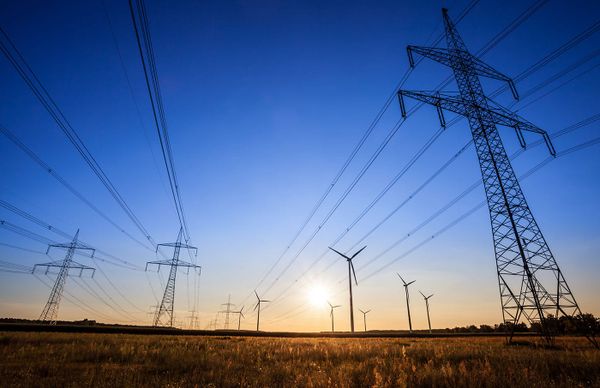
These states aren’t waiting on Congress to expand their power grids
Lawmakers in Washington state and California recently passed legislation aiming to accelerate the construction of new transmission lines needed to decarbonize their grids.

Lawmakers in Washington state and California recently passed legislation aiming to accelerate the construction of new transmission lines needed to decarbonize their grids.

Quitting Carbon's biweekly roundup of energy transition developments you might have missed.

The Trump administration is pushing LNG exports, while his war in Iran is driving up energy prices at home and abroad. More leaders are turning to renewables as a salve for fossil fuel volatility.

Quitting Carbon's biweekly roundup of energy transition developments you might have missed.
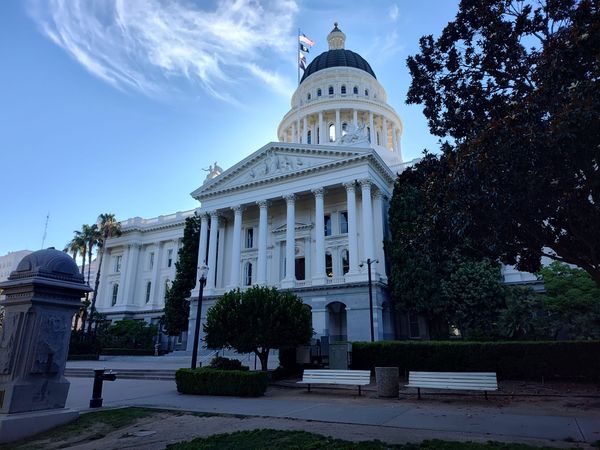
In a conversation with Quitting Carbon, California Forward CEO Kate Gordon talks about building a durable green industrial policy in the Golden State.
Quitting Carbon checks in on recent energy transition research you might have missed with a special roundup of notable reports and studies.

Quitting Carbon's biweekly roundup of energy transition developments you might have missed.
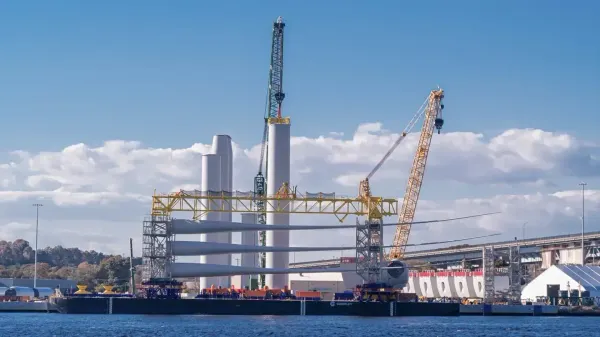
Governments around the world, including fossil fuel exporters, are adding offshore wind to their grids. Donald Trump wants to kill the industry in the U.S. despite the toll on workers, the grid, and the economy.

Quitting Carbon's biweekly roundup of energy transition developments you might have missed.
"Manufacturing without addresses" can slash the time, money, and energy required to transport and process raw materials around the globe, says ARPA-E Program Director Cory Phillips.

Quitting Carbon's biweekly roundup of energy transition developments you might have missed.
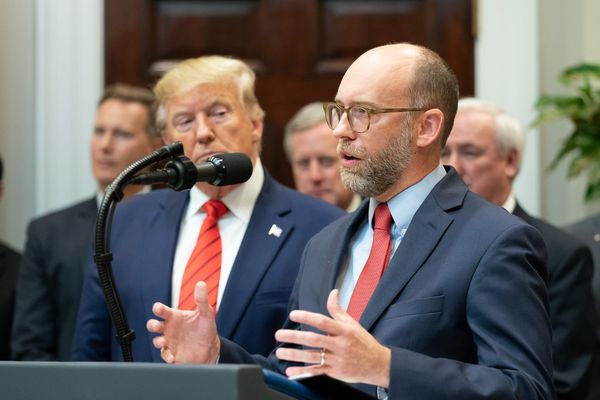
Local and state governments, scientists, and research institutions are alarmed by a Trump administration proposal that would give political appointees across federal agencies the power to kill grants – including funding for clean energy.